 CityBuddy
 English
Things to Do in Málaga, Spain
Photo made by Kássia Melo on Pexels.com
When to visit
Plan your perfect trip to Málaga, Spain
Get a complete travel plan built just for you in under 30 seconds, with daily routes, local food tips, budget estimates and more.
Are any of these especially important to you?
Select all that apply
Plan language: EnglishMost popular attractions in Málaga, Spain
Things to do in Málaga, Spain include exploring the Alcazaba of Málaga, a Moorish fortress offering panoramic views from just 130 meters above sea level. Visit the Museo Picasso Málaga to see more than 200 works by the artist. Be sure not to miss the Castillo de Gibralfaro, which sits next to the Alcazaba and gives stunning views of the city and coastline.
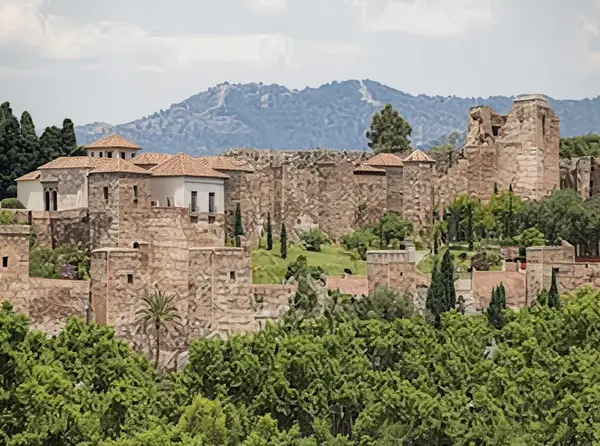
1. Alcazaba of Málaga (La Alcazaba)
La Alcazaba
Compact fortress featuring layered Moorish palaces and broad port views. Explore shaded gardens, towers, and Roman ruins while enjoying photos of the skyline.
Quick facts: Honey-colored stonework and shaded patios offer a surprising sense of cool, while narrow arches lead you from sunlit terraces into hidden gardens. Beneath the fortress walls, exposed Roman ruins nestle close, so you often encounter two different civilizations in a single walk.
Highlights: A little-known feature: a Roman theater found in 1951 sits snugly at the base of the fortifications, where you can touch weathered seating stones once used for Roman performances. Climb the upper terraces and the salty sea breeze blends with the scent of orange trees, warm tiles beneath your feet, and the calls of gulls, turning ordinary views into a cinematic panorama of the harbor and historic rooftops.
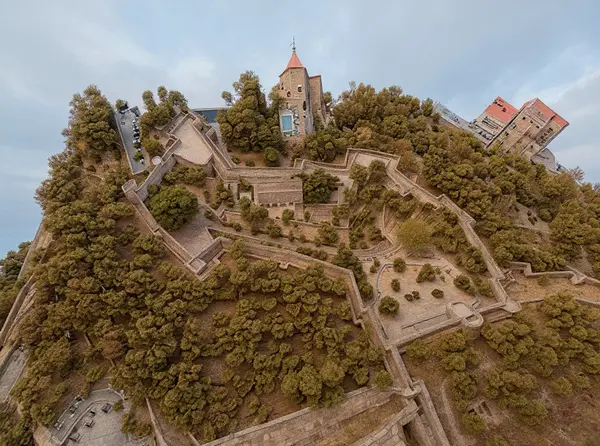
2. Castillo de Gibralfaro (Gibralfaro Castle)
Gibralfaro Castle
Perched above Málaga, Gibralfaro offers visitors expansive views of the city and the Mediterranean. Walk along ancient battlements, climb towers, and watch the sun set over the bay.
Quick facts: Climbing the winding ramparts rewards you with a full 360-degree view stretching from the shimmering harbor to the clustered rooftops inland. Thick stone walls and hidden cisterns hold echoes of soldiers and sailors, while sun-warmed terraces scented with rosemary fill the air with a sharp, warm fragrance.
Highlights: Golden light bathes the western ramparts for about 20 minutes at sunset, turning the stones a deep terracotta and making the view feel like a live postcard. Pause by the old cistern and you can hear a hollow, drumlike sound underfoot, a surprising echo local guides reveal while tracing the inner wall.
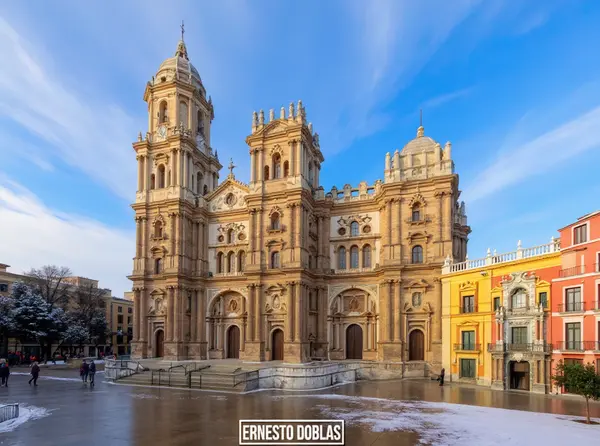
3. Catedral de la Encarnación de Málaga (Málaga Cathedral)
Málaga Cathedral
Renaissance-Baroque cathedral with an unfinished tower that provides city views. Stroll through the grand nave, admire the carved choir stalls, and climb to the rooftop for skyline photos.
Quick facts: Step inside and the soaring single nave and unfinished south tower strike you, a skyline oddity giving the building a distinct asymmetry. Warm honey light filters through high windows onto gilded choir stalls and thick marble columns, suffusing the interior with a cinematic glow late in the afternoon.
Highlights: Climb narrow stone stairs toward the unfinished tower and feel a salty breeze sweep across your face while panoramic views frame terracotta roofs and a distant band of blue sea. Local guides enjoy sharing colorful stories about the missing tower, a tale woven into street songs and neighborhood lore you’ll likely hear during a relaxed afternoon visit.
Have you heard of free walking tours?
After traveling to 30+ countries, there's one thing I wish someone had told me from day one, and it completely changed how I experience new cities.
Free walking tours. Yes, actually free. No credit card needed. No catch.
Local guide, 2-3 hours
Major sights, hidden gems, local stories
100% tip-based
Guides earn only tips, so they give their absolute best
You tip what feels right
At the end, just tip whatever you feel is right
I've done these in dozens of cities and they've been the highlight of almost every trip. If you're visiting Málaga, Spain, do this on your first day. You'll thank me later.
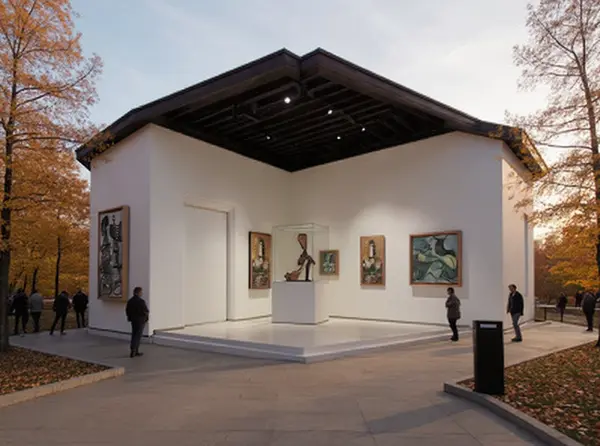
4. Museo Picasso Málaga (Picasso Museum)
Picasso Museum
Explore Picasso's work in his birthplace, displayed in a restored Andalusian palace. Wander sunlit courtyards and small galleries showcasing paintings, ceramics, and sketches.
Quick facts: Over 200 works by Picasso are displayed across intimate rooms, letting you follow his shifts from somber Blue Period colors to playful experiments in ceramics and sculpture. Sunlit courtyards and carved wooden ceilings frame the galleries, creating a strong contrast between rough stone textures and bold modern brushstrokes.
Highlights: A hint of orange blossom from the inner courtyard and the cool feel of tiled floors make the visit unexpectedly sensory, while shiny turquoise glazes on several ceramics gleam like tiny mirrors under the lights. Find the small back room where a faint thumbprint remains in the glaze of a playful ceramic, a tactile secret that connects you directly to the artist's hand.
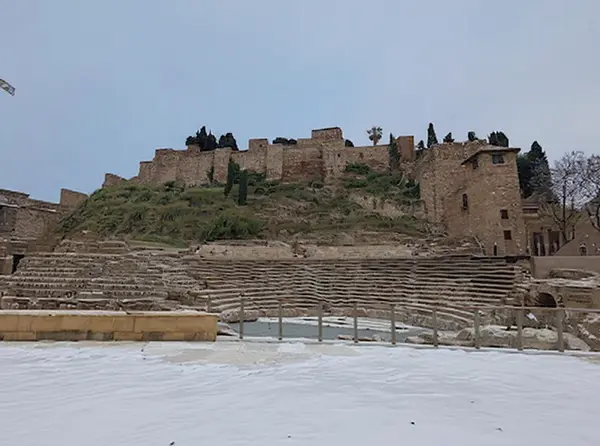
5. Teatro Romano de Málaga (Roman Theatre)
Roman Theatre
One of Málaga's oldest monuments, presenting Roman ruins up close next to the Alcazaba. Walk the stone tiers and sense the theatre's scale while enjoying views over the port.
Quick facts: Cool limestone tiers slope down toward the stage, and if you press your palm to the worn stones you can feel faint grooves left by countless feet. Archaeologists uncovered a hidden layer of Roman pavement and houses beneath, showing the theater was buried by later construction for centuries.
Highlights: Step onto the stage at dusk and the applause echoes warmly, the stones reflecting sound naturally so a single voice fills the auditorium without microphones. Faint traces of red and ochre pigment cling to some blocks, so in bright sunlight those faded colors glimmer like a secret hint of a once-colorful scene.
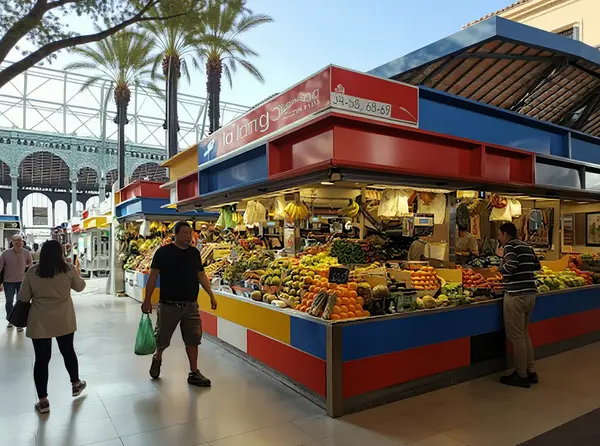
6. Mercado de Atarazanas (Atarazanas Market)
Atarazanas Market
Lively 19th-century market hall full of Andalusian flavors. Browse stalls with fresh seafood, cured meats, and produce, and sample tapas at the counters.
Quick facts: Walk through the market and the air fills with the sharp aroma of citrus, the salty smell of fresh fish, and vendors calling out the morning's best deals. An airy iron-and-glass hall features a jewel-like stained-glass panel rescued from the old shipyard, casting counters in warm, jewel-toned light.
Highlights: Behind a central stained-glass window, vendors arrange over 60 types of olives and jars of pickles in bright rows, while frying anchovies and smoked paprika scent the aisles. Look up above the main doors and you’ll spot a fragment of a Moorish stone gate with a faint carved cross, a small story of overlapping cultures locals still point out when buying fish.
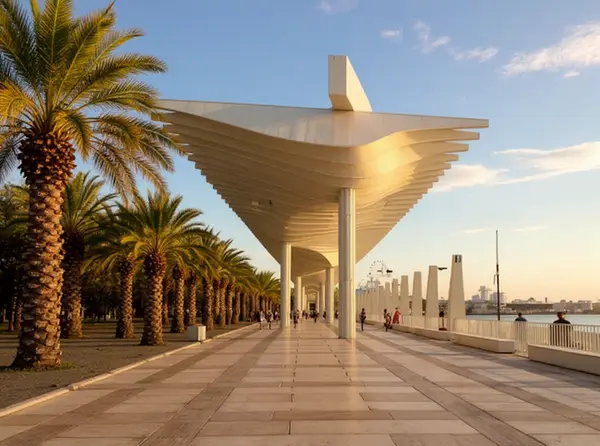
7. Muelle Uno & Palmeral de las Sorpresas (Port of Málaga waterfront)
Port of Málaga waterfront
Seaside center for food, culture, and harbor views next to the Alcazaba and Cathedral. Stroll along palm-lined promenades, browse pop-up shops, and watch the sunset over the yachts.
Quick facts: Stroll along the waterfront and find former harbor warehouses transformed into a lively mix of over 40 restaurants, boutiques, and galleries, with fishing boats gently bobbing in the harbor. A palm-lined promenade curves past a suspended timber walkway and an open-air amphitheater where live bands and film screenings give nights a cinematic feel.
Highlights: At sunset smell wood smoke and salt as chefs grill sardines on long 60 cm skewers right on the pier, flames reflecting off the water. An eye-catching multicolored cube on the quay shows rotating contemporary exhibitions that sometimes feature 50 artworks from international collections, turning the sea-facing plaza into a spontaneous art walk.
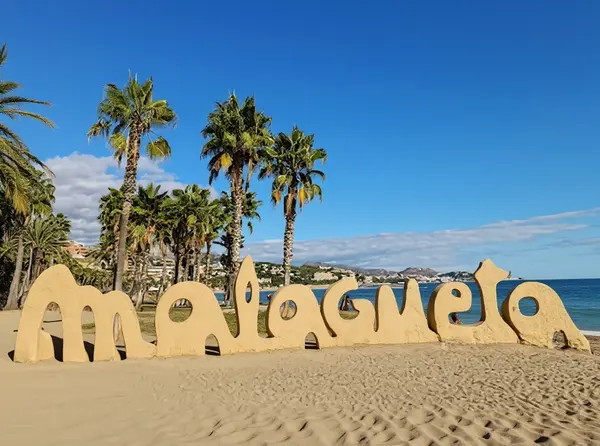
8. Playa de La Malagueta (La Malagueta Beach)
La Malagueta Beach
Golden sandy beach beside Málaga's promenade, ideal for sunbathing and seafood. Expect sunbathers, beach bars, paddleboard rentals, and seaside sunset walks.
Quick facts: Golden sand stretches about 1.2 kilometers along the bay, and the gentle slope makes it easy to wade meters out before the water deepens. Evenings buzz with chiringuitos sending out seafood aromas while promenades host street musicians, rollerbladers, and families sharing picnic blankets under sodium lamps.
Highlights: Noche de San Juan draws hundreds every June, with revellers leaping over small bonfires and releasing paper lanterns and candles that light the shore like a flickering ribbon. Smoky grilled sardines sold by the dozen at seaside chiringuitos leave hands slick with oil and a bright lemon-herb tang, a tasty morning ritual locals swear by.
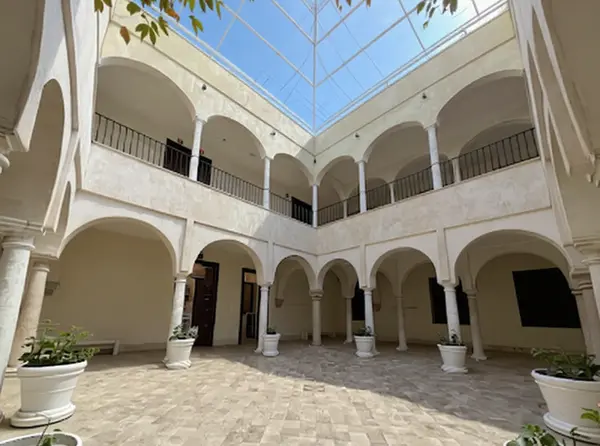
9. Museo Carmen Thyssen Málaga (Carmen Thyssen Museum)
Carmen Thyssen Museum
Remarkable collection of 19th-century Spanish and Andalusian paintings in a restored palace. Explore intimate galleries of landscapes, portraits, and vivid costumbrista scenes.
Quick facts: Over 230 paintings hang in intimate rooms, offering a focused look at 19th-century Spanish and Andalusian scenes. Visitors often linger over sunlit canvases by Joaquín Sorolla and moody portraits by Julio Romero de Torres, brushwork practically humming with Mediterranean light.
Highlights: Enter a salon-style gallery where Joaquín Sorolla’s shimmering seascapes hang within arm's reach of bold scenes by Julio Romero de Torres, the contrast turning ordinary light into theatrical glow. A quiet ritual among regulars is lingering by courtyard windows at golden hour to watch orange blossom scents drift in, the warm light making varnish and gilt frames flicker like candlelight.
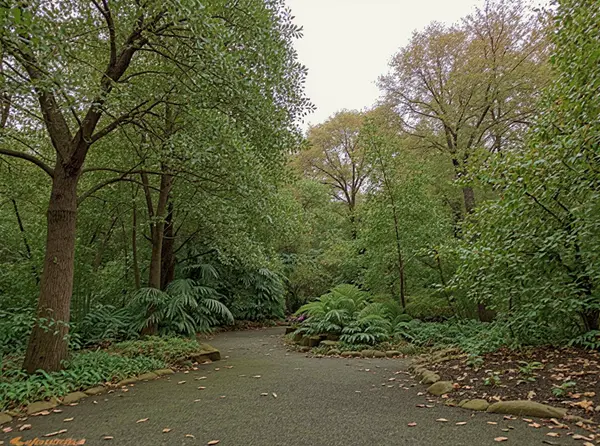
10. Jardín Botánico-Histórico La Concepción (La Concepción Botanical Garden)
La Concepción Botanical Garden
Lush tropical gardens with century-old palms above Málaga's port. Wander shaded paths, fountains, and a historic villa for peaceful photos and diverse plant life.
Quick facts: Tropical and subtropical plants from five continents spill over shaded terraces, so you can spot giant cycads, exotic palms, and colorful bromeliads along winding paths. More than 25 hectares hold over 2,000 species, while calm fountains dot the grounds and peacocks sometimes wander the lawns.
Highlights: Enter a fernery where cool, damp air carries the honeyed scent of orchids and light filters through towering figs like stained glass. Along one avenue over 200 palms stand in proud rows, and a restored 19th-century villa overlooks a reflective pond where gardeners still perform a weekly pruning ritual shaping hedges into precise semicircles.
Where to Stay in Málaga, Spain
Selected by City Buddy based on guest reviews and proximity to top attractions
Search all hotels in Málaga, SpainPowered by agoda
Traditional Sweet Dishes

Pestiños
Pestiños are bite-sized fried dough sweets, glazed with honey or sugar and often scented with sesame and orange zest, and they have been a festive staple in Málaga during Holy Week and Christmas for centuries.
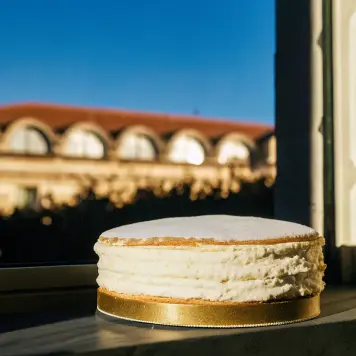
Tarta de Santiago
Tarta de Santiago is an almond cake marked with the Cross of Saint James, and in Málaga bakeries it often appears paired with local citrus or a dusting of cinnamon for a regional twist.
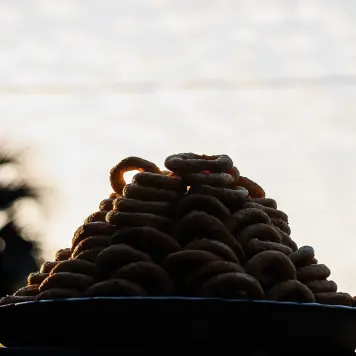
Roscos de Vino
Roscos de Vino are crisp, ring-shaped cookies flavored with anise and a splash of sweet wine, their name meaning wine rings and reflecting the old tradition of dunking them into Málaga wine.
Traditional Savory Dishes

Gazpacho
Gazpacho is a chilled, raw-vegetable soup that became Málaga's summer lifeline, offering bright tomato and cucumber flavors that refresh and hydrate in the heat.

Espetos de Sardinas
Espetos de Sardinas are sardines threaded on reeds and grilled over open wood fires right on the beach, a communal ritual that defines Málaga's summer nights.

Ensalada Malagueña
Ensalada Malagueña pairs salted cod and potatoes with sweet local oranges, olives and onions, creating a surprising sweet-and-salty salad that captures Málaga's coastal identity.
Traditional Beverages

Malaga wine
Malaga wine is a rich, often sweet fortified wine made from sun-dried grapes, prized for raisin and honey notes and tracing a winemaking tradition that stretches back to Phoenician and Roman times.

Horchata
Horchata in Málaga is a refreshing plant-based milk, commonly made from tiger nuts or almonds, and its creamy, subtly sweet flavor has roots in Moorish-era recipes.
Frequently Asked Questions about Málaga, Spain
What are the best months to visit Málaga, Spain?
Is Málaga, Spain expensive to live in?
How do I get around Málaga, Spain?
Is the tap water safe to drink in Málaga, Spain?
How many tourists visit Málaga each year?
Get a PDF with the most popular attractions sent to your email
Get a PDF with all attractions, ratings, and tips. Perfect for offline use.
Most popular day trips
Granada (Alhambra)
World-famous Moorish palace and gardens (Alhambra) with historic Albaicín.
Ronda
Dramatic gorge, historic bullring and panoramic views.
Nerja & Caves of Nerja
Beaches, seaside town and impressive prehistoric caves.
Córdoba
Great Mosque-Cathedral and a compact, walkable historic centre.
Marbella
Upscale beach town, historic Old Town and seaside promenade.
Rent a car in Málaga, Spain
Getting there
Airports
Train stations
AVE to Madrid/Seville, Media Distancia, Cercanías C1
Cercanías local services; close to historic centre
From AGP take the Cercanías C1 train to the city (≈12 min) or a taxi (20–30 min).
Find flights to Málaga, Spain
Click to get eSim for Málaga, Spain
The easiest and most affordable way to get mobile internet wherever you travel.
Useful information for Málaga, Spain
Overview for Málaga, Spain
Most popular itineraries for Málaga, Spain
Browse trip plans created by other travelers
Comments (9)
Nightlife was smaller than I thought, lots of family bars. Safe overall but watch crowded markets for pickpockets
Had a great time, beaches are gorgeous, restaurants near the port are overpriced, walk inland for better value
Two or three full days is enough to see the highlights, more if you want slow beach days and day trips
Expect siesta hours, many shops close midday, plan around that. I liked the historic centre, feels authentic
Buy a 10-ride bus card at the main kiosks, it ends up much cheaper than single tickets if you plan multiple trips